How to Use Field Notes & Pocket Notebooks

I’ve been journaling for about five years.
Pocket notebooks are newer for me. I’ve been using them for around two years, and Field Notes specifically for about two months. So I’m not pretending to be the world’s leading authority on pocket notebooks. But I have used them enough to see why people love them, and I’ve also watched a lot of videos from people who have carried them for years, some for more than a decade.
After using them daily, gifting them to friends and family, and testing different styles, I’ve become convinced of one thing:
A pocket notebook is one of the simplest productivity tools you can own.
The best thing about Field Notes, or pocket notebooks in general, is mobility. They are thin, light, and easy to carry. They do not take up much room, and they do not weigh you down. You can keep one in your pocket, bag, car, or on your desk.
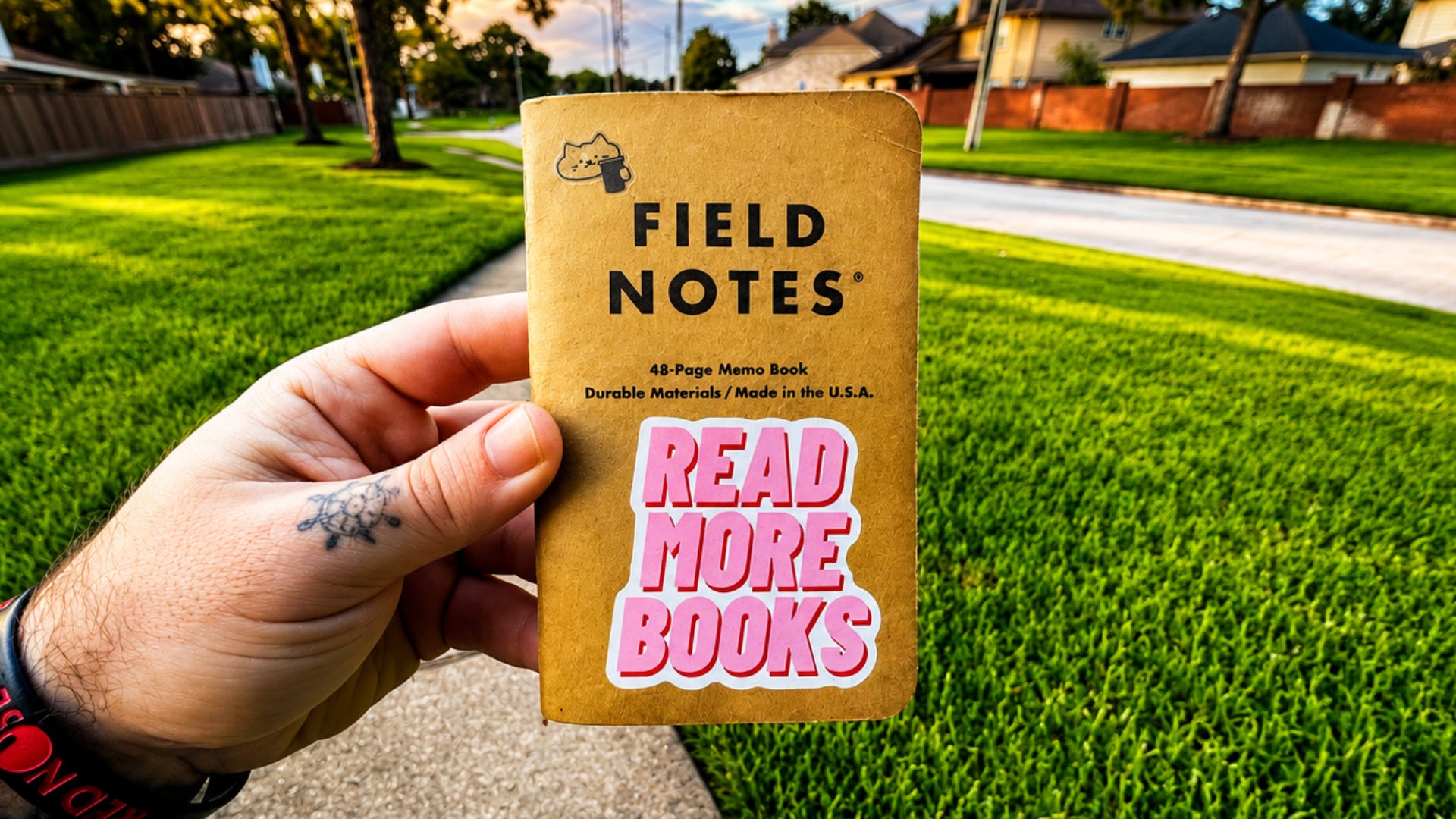
That matters because ideas are easy to lose.
Remember how frustrating it is to have a really good idea you’re trying to recall, but can’t. You forgot. A pocket notebook gives those thoughts somewhere to land. Write them down so you don’t forget.
A pocket notebook is small enough to stay in your pocket (obviously) or maybe in the car, next to your bed, or in the office. For me, it has become a tool for to-do lists, grocery lists, content ideas, reminders, and light planning.
How To Start
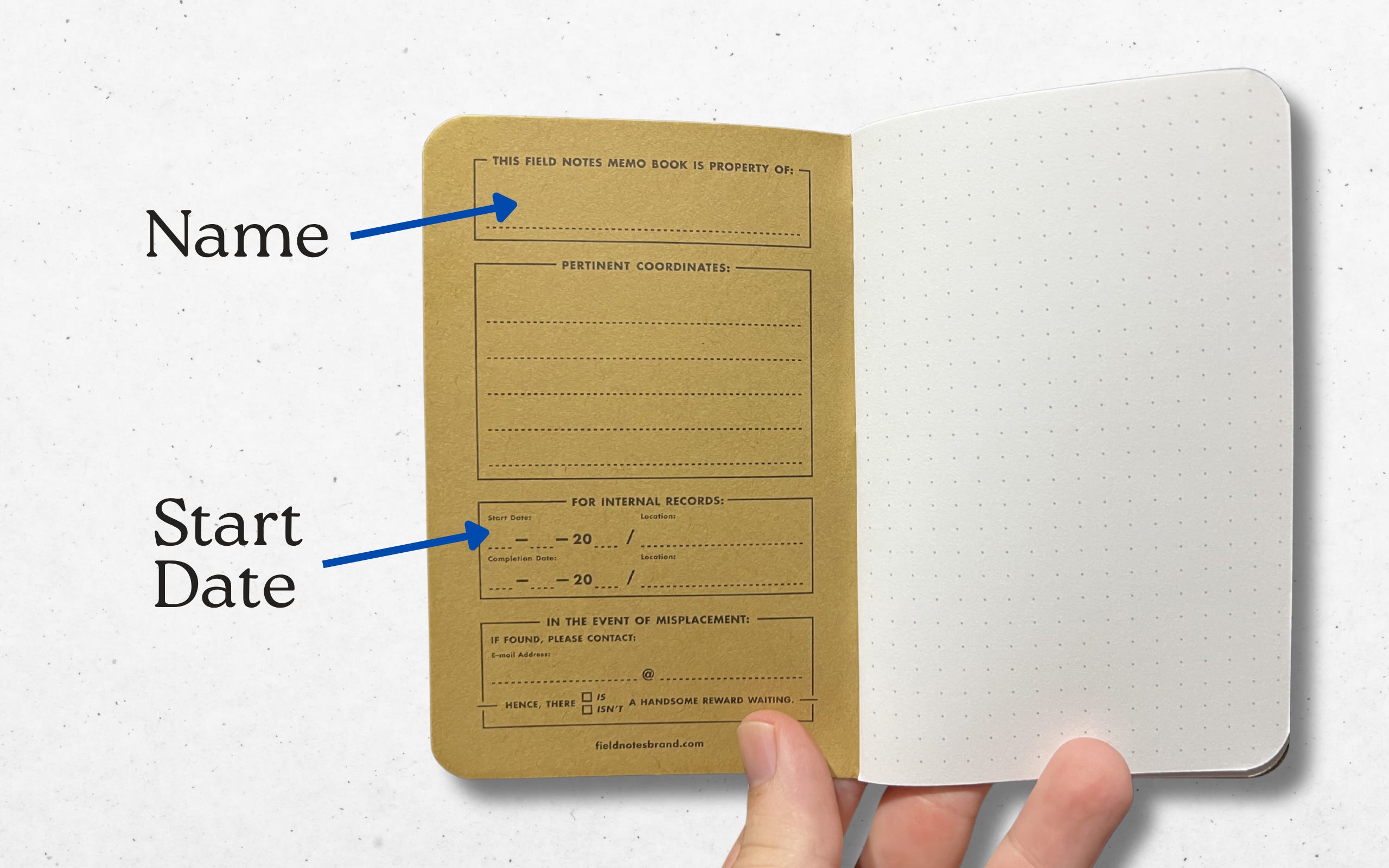
When you get a new pocket notebook, the first thing I’d recommend is writing your name and the start date inside.
Field Notes have a space on the inside cover for this. It gives the notebook a beginning. You can also number the pages if you want. Field Notes have 48 pages, so some people number them from 1 to 48 and create an index in the back.
Personally, I don’t do either of those things (but you can if you want).
Some people love an index and page numbers because it gives the notebook more structure. That’s fine. But for me, the value of a pocket notebook is that it stays simple. I want to open it, write something down, and keep moving.
Rules
1. Don’t Treat It Like a Newborn Baby
A notebook is meant to be used.
Don’t treat a brand-new notebook like a newborn baby. Bend it. Scratch it. Drop it. Let it get worn out in your pocket. Let the cover fade. Let a few pages get food stains on them. That’s part of what makes it yours.
A well-used notebook should look used. The same way a good book might have bent pages, notes in the margins, or a worn cover, a good notebook should carry evidence that it has been part of your life. Keeping it pristine defeats the purpose.
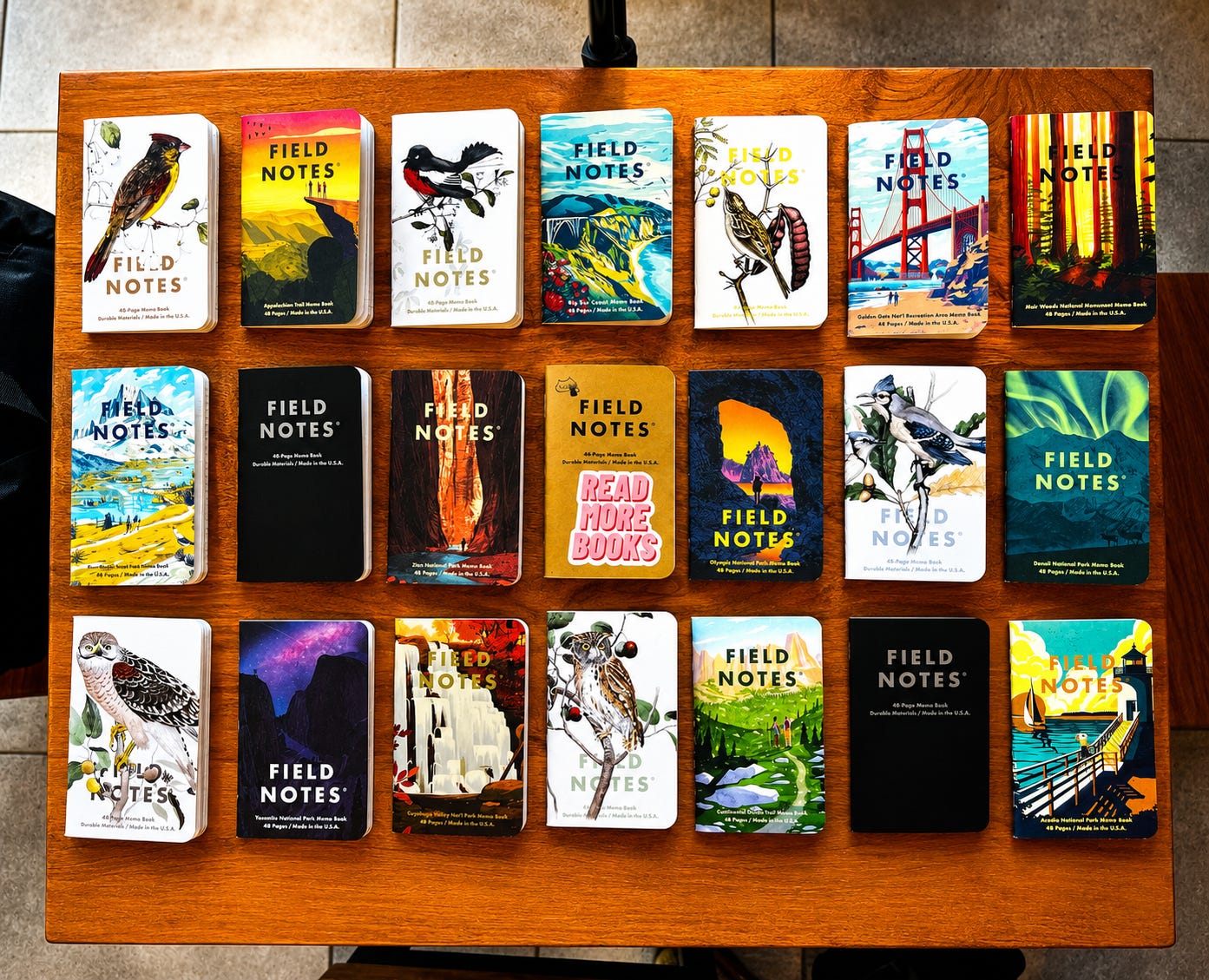
Use it hard. Tape it back together if you have to. Staple it. Fold pages. Cross things out. Misspell words. Draw something badly. Nobody cares.
The value is not in keeping it perfect. The value is in actually using it.
2. Have Fun
You shouldn’t feel forced to use a pocket notebook. You shouldn’t feel like its a drag or a burden to use them. Instead, have fun. Put stickers on it. Write random thoughts. Brainstorm ideas. Sketch something. Make lists. Take notes at church. Track workouts. Write down Bible verses, books to read, restaurants to try, places to visit, or habits you’re working on. You can do ALL of those things, too. You’re not limited.
There is no single correct way to use a pocket notebook.
Some people use one notebook for everything. Others separate notebooks by category. One for work, one for church, one for creative ideas, one for tasks. Do whatever makes sense for your life.
For me, Field Notes are mostly for:
To-do lists
Grocery lists
Content ideas
Quick reminders
Light planning
But that does not mean I can’t write down a quote or take a few notes somewhere. The notebook is a tool, not a rulebook.
What You Can Use One For:
To-do lists
Grocery lists
Business ideas
Random thoughts
Restaurants to try
Places to visit
Movies to watch
Quotes
Bible verses
Words to look up
Books to read
People’s names
Workout logs
Budget notes
Appointments
Habit tracking
Work meeting notes
Gratitude
Content ideas
The list can keep going because everyone’s life is different.
My Opinions
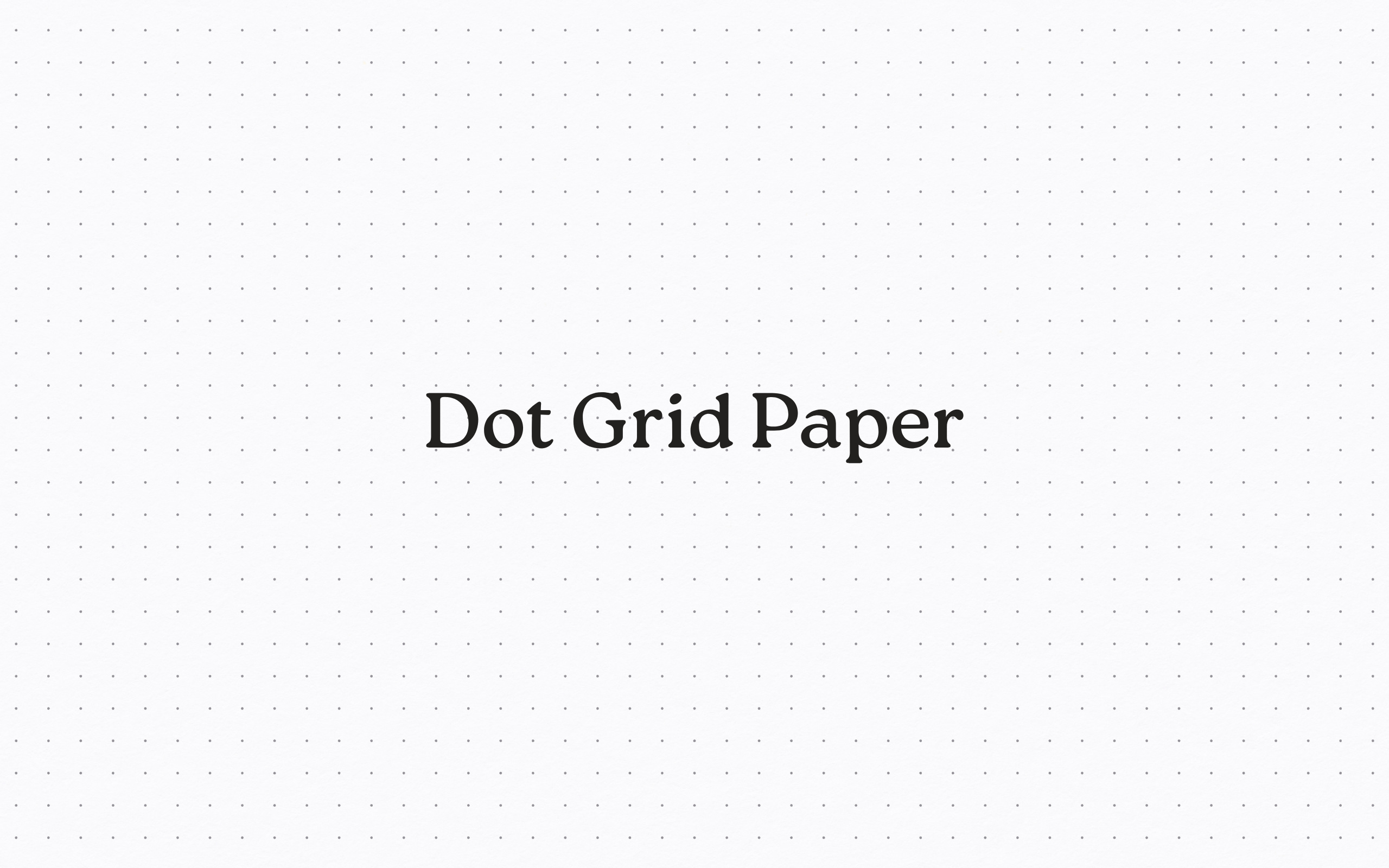
I prefer dot grid or graph paper.
Blank paper gives you total freedom, especially for drawing, but my writing tends to drift and get crooked. Lined paper is great for writing, but not as flexible for sketches or layouts.
Dot grid and light graph paper give me the best of both worlds. There’s enough structure to keep my writing straight, but enough freedom to draw, map ideas, or organize a page however I want.
Avoid Fountain Pens
Depending on the paper, fountain pens can cause a lot of bleed-through. That can be frustrating, especially if you want to use both sides of the page. I’ve found that regular ballpoint pens and gel pens usually work better for pocket notebooks.
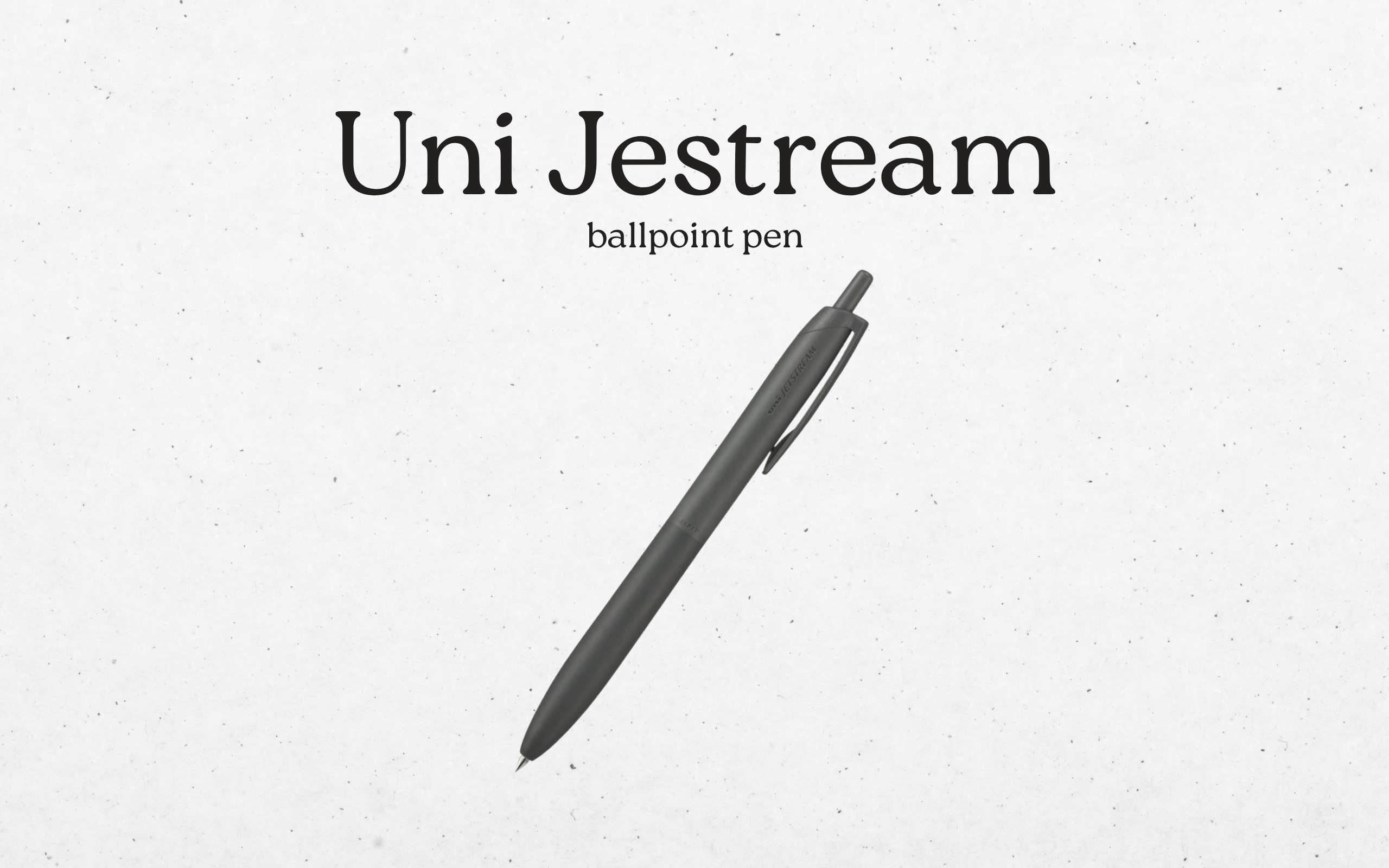
I like the Uni Jetstream and the Rotring 600. The Uni Jetstream writes smoothly, and the Rotring 600 is extremely durable. If you work with your hands, are outdoors often, or just want something that can take a beating, the Rotring is a strong option.
Plain covers work, but I prefer notebooks with designs
They make the notebook more enjoyable to carry. That might sound small, but it matters. If you like the way something looks, you are more likely to use it.
Field Notes has done a lot of interesting themes, including cities, national parks, birds and trees, and travel-inspired editions. I also like Fabriano, an Italian brand with simple colors and good dotted graph paper. Ro-Biki is another interesting option from Japan, especially if you like better paper.
Don’t walk around with sensitive information
Because pocket notebooks go with you in public, be careful what you write in them.
I would avoid writing down:
Passwords
Social Security numbers
Bank information
Seed phrases
Private addresses
Anything you would not want someone else to see
That kind of information belongs somewhere more secure, like a notebook that stays at your desk or in a locked box. A pocket notebook is great for daily thoughts and tasks. It is not the place for sensitive records.
Accessories (Optional)
There are plenty of pocket notebook accessories out there.
Pen loops are useful if you want your pen attached to the notebook, but I don’t love the extra bulk. I’d rather keep a pen in my pocket, bag, or car.
Stencils and rulers can be useful if you like clean lines, symbols, or little layouts. I have a small ruler, but I mostly keep it at my desk.
Leather cases can protect your notebooks, but they can also make them too bulky for pocket carry. Some people love them. For me, they take away part of what makes the notebook useful: simplicity.
Organizational stickers are another option. Some people use colored dots to categorize by subject. That works well if you’re visual, but for me, it just takes up too much time.
Binder clips can help keep a notebook open or closed. I haven’t used them much yet, but I can see the appeal.
In Conclusion
Pocket notebooks are useful no matter what kind of work you do.
You can be a student, creator, business owner, tradesman, veteran, parent, writer, or just someone trying to stay organized. A small notebook gives you a place to catch your thoughts before they disappear.
What matters most is not the paper type, pen, or brand, but that you actually use it.
Carry it with you. Beat it up. Make it yours. Write things down.
Share good tools and ideas with other people when you find them. That’s why I write and share ideas and products with you (: